Ocean Sanctuaries: High Seas Treaties
The historic ratification of the Biodiversity Beyond National Jurisdiction (BBNJ) agreement allows humanity to establish enforceable marine reserves in waters that belong to no single sovereign power.
The BBNJ Legal Architecture
Covering nearly two-thirds of the world's oceans, international waters were long subject to an unpoliced free-for-all of industrial longlining and unregulated deep-sea seabed testing. The High Seas Treaty changes this permanently.
Under the treaty's mandate, regional management commissions can establish "No-Take Pelagic Sanctuaries" that ban fishing, extraction, and military exercises over sensitive abyssal plains, oceanic trenches, and underwater hydrothermal vents.
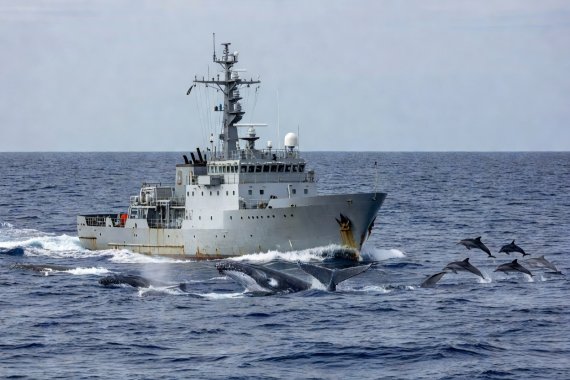 PATROL PATROL // PELAGIC TRANSECT V
Thermal-Resilience Coral Propagation
Beyond legislative borders, ocean health hinges on surviving severe marine heatwaves. Marine research institutes are cultivating thermo-tolerant symbiont micro-algae within foundational Acropora and Porites coral colonies.
These field-tested corals can withstand seawater temperatures up to 2.2°C above historic seasonal maximums without bleaching. Over 350,000 nursery-grown specimens have been secured to degraded reef slopes in the Coral Triangle.
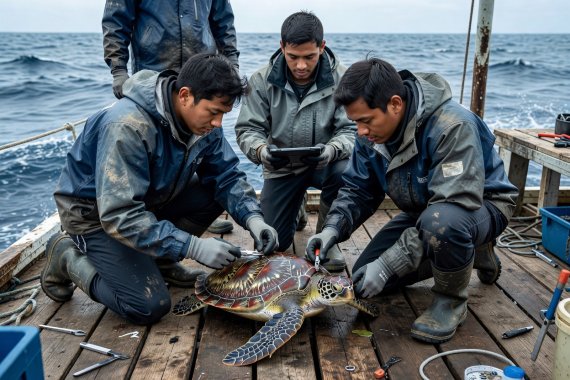 CORAL STATION // NURSERY ZONE 08
Enforcement Mechanics: Transponder Tracking & Autonomous Floats
Modern high-seas enforcement no longer requires physical naval fleets at every coordinate. Satellite constellations continuously monitor Automatic Identification System (AIS) radio transmissions from commercial vessels.
When an unauthorized trawler disables its transponder upon entering a designated Marine Protected Area (MPA), automated radar imaging satellites track the vessel's synthetic silhouette. The vessel is subsequently designated as an IUU (Illegal, Unreported, and Unregulated) pirate craft, triggering automatic seizure warrants at all signatory ports worldwide.
| High Seas Reserve Name | Surface Area | Primary Protected Fauna | Interdiction Status |
|---|---|---|---|
| Sargasso Sea Hydrothermal Basin | 4,100,000 km² | Anguilla eels, Pelagic Sharks | Zero-Activity Enforced |
| Lord Howe Rise Marine Corridor | 1,850,000 km² | Cold-Water Deep Corals | Bottom Trawling Moratorium |
| Walvis Ridge Abyssal Sanctuary | 2,300,000 km² | Bathyal Cetaceans, Wandering Albatross | Mandatory Vessel Exclusion |
| Clarion-Clipperton Exclusion Belt | 5,200,000 km² | Nodule Benthic Micro-Fauna | Seabed Mining Prohibited |